
How Thermography Helps Detect Inflammation Early: Why Catching Chronic Inflammation Before Symptoms Appear Changes Everything

How Thermography Helps Detect Inflammation Early
If you could identify a physiological problem while it is still early, still functional, and still responsive to change, would you want to know?
Most people would answer yes without hesitation.
Yet many healthcare systems are structured to wait until a problem becomes clinically obvious before intervention begins.
Thermography offers a powerful alternative approach. Discover how it works and why it matters in this article.
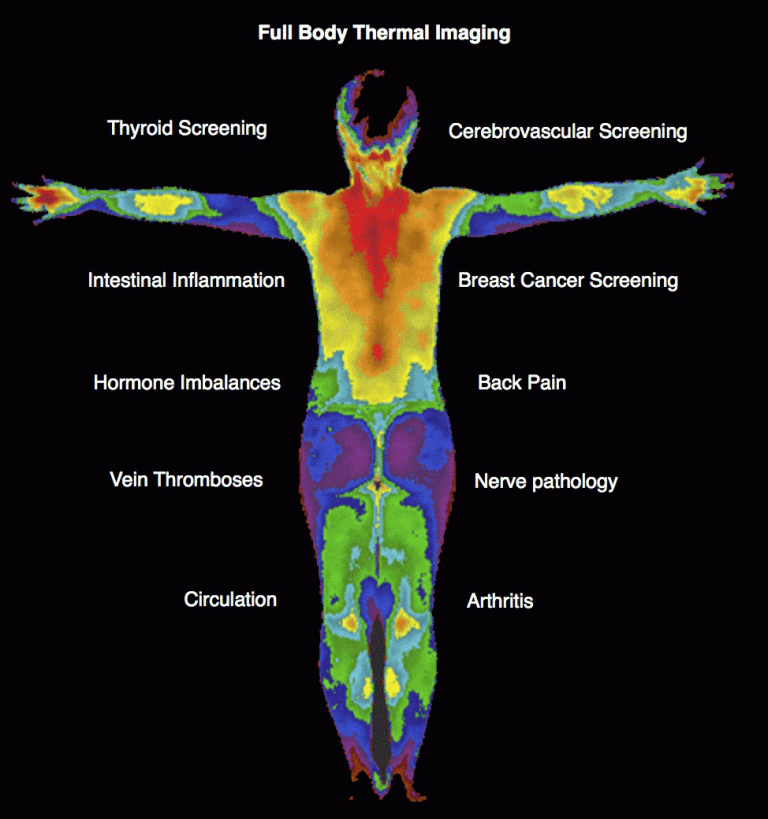
Because infrared imaging detects heat signatures associated with inflammation and abnormal circulation, it can identify functional changes that often occur before structural changes appear.
This provides insight into what may be happening in the body before symptoms become noticeable.
At ThermaImage, early inflammation detection is one of the most valuable ways thermography supports preventive health awareness.
Why Chronic Inflammation Is a Major Health Concern
Acute inflammation is easy to recognize.
Examples include:
swelling from a sprained ankle
redness around a healing cut
warmth and tenderness after an injury
This type of inflammation is a healthy immune response designed to repair damaged tissue.
Chronic inflammation is different.
It is low-grade, persistent, and often silent. There may be no obvious swelling or pain — just a subtle, ongoing immune response that can contribute to many long-term health concerns.
Research increasingly links chronic inflammation to conditions such as:
cardiovascular disease and arterial inflammation
type 2 diabetes and insulin resistance
autoimmune conditions like rheumatoid arthritis and lupus
neurodegenerative diseases such as Alzheimer’s and Parkinson’s
certain cancers
chronic pain syndromes
mood disorders influenced by inflammatory pathways in the brain
One challenge with chronic inflammation is that it can remain undetected for years.
By the time symptoms appear and a diagnosis is made, the inflammatory process may have been developing for a long time.
This is where early detection becomes important.
How Thermography Detects Inflammation
The relationship between inflammation and heat is fundamental to thermography.
When tissue becomes inflamed, several physiological processes occur:
increased blood flow to the affected area
higher metabolic activity in the tissue
dilation of blood vessels and greater circulation
All of these processes generate heat.
Infrared cameras used in thermography detect this heat as thermal patterns on the skin’s surface.
Common thermographic findings associated with inflammation include:
localized hot spots
unusual vascular patterns
asymmetrical heat differences between the left and right sides of the body
Because these heat changes may occur before symptoms develop, thermography may provide early insight into physiological activity that deserves attention.
What Early Inflammation Detection Looks Like in Practice
Consider a common scenario.
A client comes in for a baseline thermography scan. She feels generally healthy and does not report any major symptoms.
However, her thermogram shows a consistent heat asymmetry in one region.
Is this a diagnosis? No.
But it may be useful information worth monitoring or discussing with her healthcare provider.
Three months later, she returns for a follow-up scan.
Possible outcomes include:
the thermal pattern has normalized
the asymmetry has improved
the pattern remains stable
the pattern has changed and warrants further evaluation
In each case, thermography provides valuable information for informed decision-making.
Thermography as a Progress Monitor for Lifestyle Changes
One powerful use of thermography is tracking physiological changes over time.
Many lifestyle factors strongly influence inflammation, including:
Diet
Certain foods can increase inflammatory activity, including highly processed foods and excess sugar.
Anti-inflammatory foods such as:
omega-3 fats
colorful vegetables
polyphenol-rich foods
may help support a healthier inflammatory balance.
Sleep
Poor sleep quality or insufficient sleep can elevate inflammatory markers in the body.
Stress
Chronic psychological stress can influence inflammation through hormonal pathways.
Exercise
Moderate, consistent movement helps reduce systemic inflammation, while excessive training may temporarily increase it.
Gut Health
Imbalances in the gut microbiome or intestinal permeability can influence systemic inflammation.
Thermography may help individuals see how lifestyle changes affect their body over time.
When thermal patterns improve — such as reduced hot spots or improved symmetry — it can reinforce the effectiveness of those changes.
What Thermography Cannot Do
It is important to understand the limitations of thermography.
Thermography can detect heat patterns associated with inflammation, but it cannot:
diagnose specific diseases
determine the exact cause of inflammation
replace evaluation by a qualified healthcare professional
Instead, thermography provides functional physiological information that can guide further investigation or preventive health discussions.
It is best viewed as an early insight tool and long-term monitoring method, not a final diagnosis.
Frequently Asked Questions
Can thermography detect cancer through inflammation?
Thermography detects heat patterns associated with inflammation and abnormal vascular activity. However, it cannot diagnose cancer. If thermal findings suggest patterns that require further investigation, additional testing with a healthcare provider may be recommended.
How early can thermography detect inflammation?
Thermography measures functional physiological activity, which may change before structural abnormalities appear on anatomical imaging. The timing varies depending on the condition and individual factors.
What causes inflammation to appear on a thermogram?
Inflamed tissue generates:
increased blood flow
elevated metabolic activity
heat
These factors produce temperature patterns detectable by infrared cameras.
What should I do if my thermogram shows inflammation?
Your ThermaImage specialist will explain the findings clearly.
Depending on the pattern observed, recommendations may include:
• follow-up scans
• consultation with your physician
• lifestyle adjustments to support inflammatory balance
A thermographic finding is information to guide thoughtful action, not a reason for alarm.
Is thermography useful even without symptoms?
Yes. Thermography may be most valuable before symptoms develop, because it can identify physiological patterns that might otherwise go unnoticed. Many meaningful thermographic findings occur in people who feel generally healthy.
Book your scan today and take control of your health—before symptoms begin.